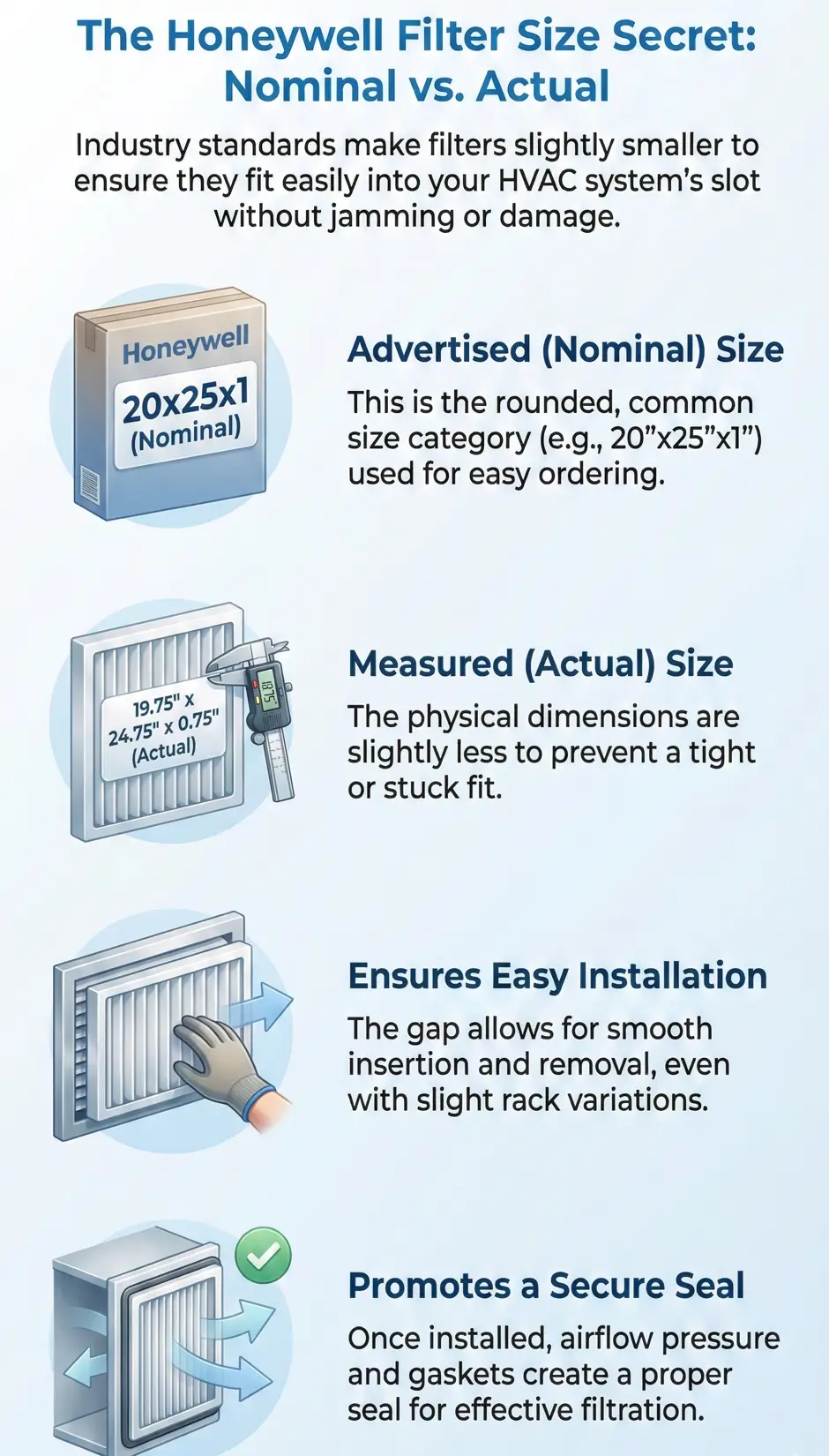
You just pulled a brand-new Honeywell filter from the box, held it up to the old one, and something seems off. The package says 20x25x1, but your tape measure tells a different story—it's actually closer to 19½ x 24½ x ¾. Before you head back to the store for an exchange, here's what we explain to homeowners during duct inspections every week: your filter isn't mislabeled, and it's not defective.
The size printed on Honeywell filters is a "nominal" size—an industry-standard rounding convention, not an exact measurement. This slight undersize is intentional and universal across virtually all filter brands. But here's what most filter articles won't tell you: that small gap around your filter matters more than you might think—and we see the consequences constantly when sealing ductwork.
As duct sealing specialists, we've inspected thousands of filter housing connections and measured exactly how undersized filters interact with return air systems. That quarter-inch gap? It's engineered for easy installation, but in leaky duct systems, it becomes one more pathway for unfiltered air to bypass your filter entirely. We've documented pressure imbalances and air quality issues that trace directly back to filter fit combined with unsealed duct connections.
This guide explains why manufacturers use nominal sizing, how it affects your system's real-world performance, and what our field experience reveals about when that "standard" gap actually becomes a problem worth solving.
Quick Answers
Honeywell Filters
Honeywell filters use nominal sizing—an industry-standard rounding convention where the printed size (like 20x25x1) is slightly larger than the actual dimensions (approximately 19½ x 24½ x ¾ inches). This is intentional and universal across filter brands.
Key facts:
Not defective. The undersize allows easy installation without forcing or bending.
Shop by nominal size. Match the size printed on your current filter or housing.
Replace every 30–90 days. Check monthly during heavy-use seasons.
MERV ratings matter. Higher ratings capture smaller particles but require adequate system airflow.
Fit depends on system condition. In homes with duct leakage, filter performance suffers regardless of brand or quality.
From our field experience: The slight gap around a properly sized Honeywell filter rarely causes air quality issues on its own. When homeowners report problems despite regular filter changes, we typically find duct leaks and system gaps that bypass filtration entirely. Addressing ductwork often delivers better results than upgrading filters alone.
Bottom line: If your Honeywell filter matches the nominal size and slides in without force, you have the right filter. Persistent issues usually point to duct system problems, not filter sizing.
Top Takeaways
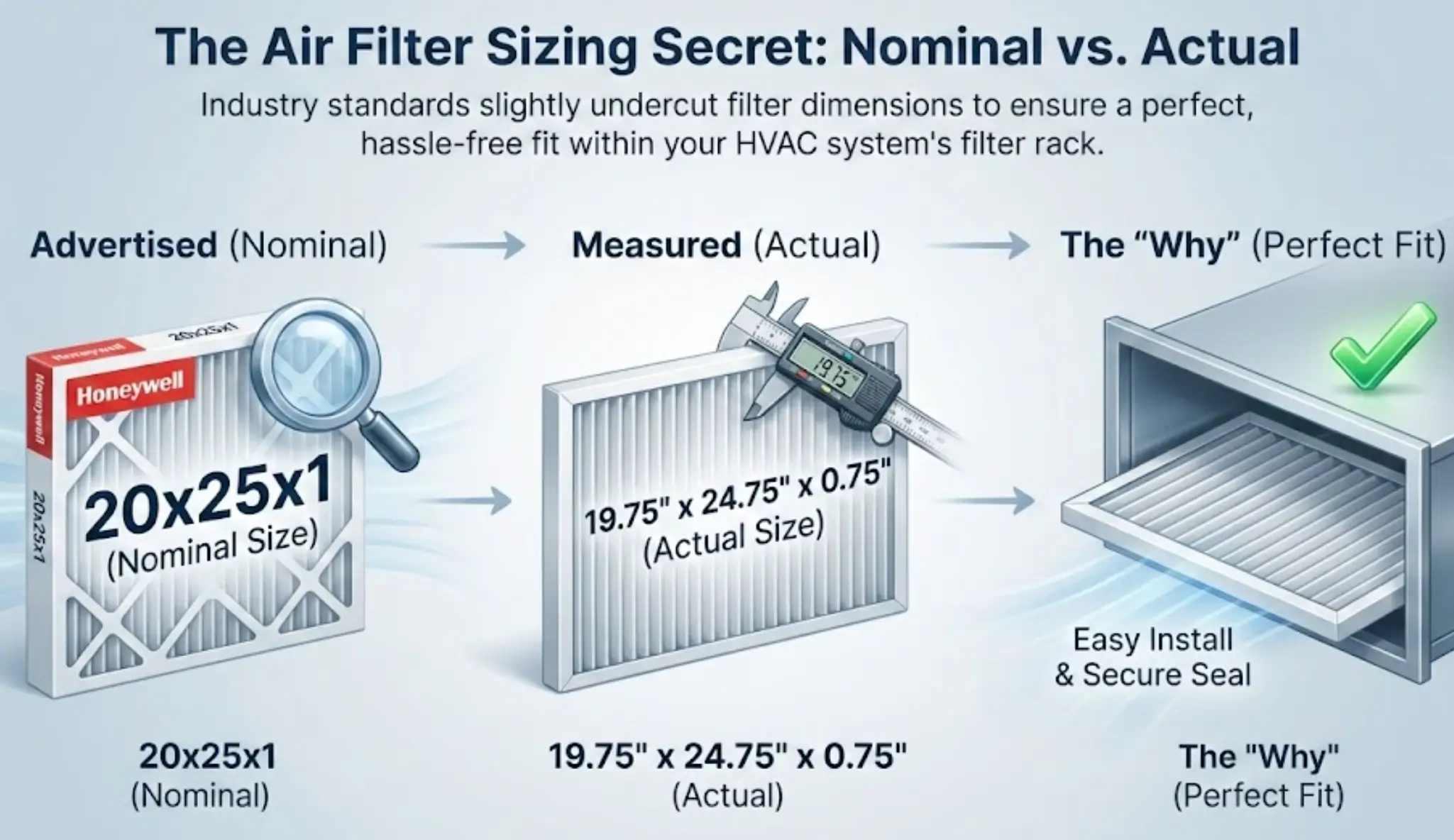
Your Honeywell filter isn't defective. The printed size is "nominal"—an industry-standard rounding convention. A 20x25x1 filter is designed to measure approximately 19½ x 24½ x ¾ inches. That undersize is intentional.
Shop by nominal size, not actual measurements. Match the size on your current filter or housing. Measuring the slot and buying those exact dimensions will give you a filter that's too small.
The gap matters less than your duct system's condition. Sealed system? Minimal impact. Leaky system? That gap becomes one of many air bypass pathways.
Duct sealing often beats filter upgrades. Addressing 20–30% duct leakage typically delivers bigger air quality improvements than chasing higher MERV ratings.
Maintenance and sealing work together. Clogged filters increase pressure, driving air through leaks. Clean filter + sealed ducts = best results.
What Is Nominal Sizing?
Nominal sizing is the HVAC industry's rounding system for filter dimensions. Rather than printing exact measurements, manufacturers round up to the nearest whole inch for simplicity. A filter labeled 20x25x1 will actually measure approximately 19½ x 24½ x ¾ inches.
This isn't a Honeywell shortcut—it's a universal standard. Carrier, Filtrete, FilterBuy, and virtually every other brand follows the same convention. The actual dimensions typically run ¼ to ½ inch smaller than the label indicates on each side.
Why Manufacturers Size Filters This Way
The undersizing serves a practical purpose. Filters need to slide in and out of their housing without requiring force. That small clearance gap allows homeowners to change filters quickly without bending frames or tearing filter media.
From a manufacturing standpoint, nominal sizing also simplifies inventory. Instead of stocking filters in dozens of precise measurements, retailers carry standard nominal sizes that fit the vast majority of residential HVAC systems.
When That Gap Becomes a Problem
Here's where our duct sealing work provides perspective most filter guides miss.
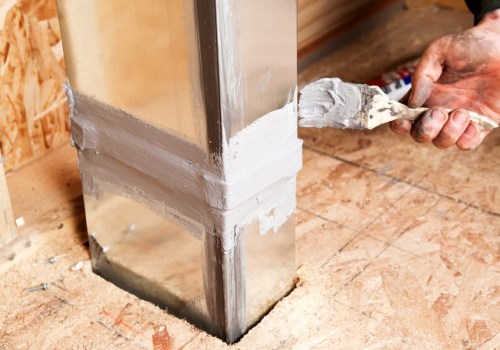
In a properly sealed system, the small perimeter gap around your filter has minimal impact. The pressure differential pulls air through the filter media rather than around it. But in homes with leaky ductwork—which we encounter in roughly seven out of ten service calls—that gap contributes to a larger problem.
We've measured unfiltered air bypassing filters entirely through gaps at the filter housing, unsealed return plenums, and disconnected duct joints. In these cases, your expensive MERV-13 filter may be catching only a fraction of the air circulating through your system. The nominal sizing gap alone isn't the culprit, but combined with duct leakage, it compounds filtration losses.
What This Means for Your Filter Purchase
Your undersized Honeywell filter fits exactly as intended. When shopping for replacements, always match the nominal size printed on your current filter or stamped on your filter housing—not the actual measured dimensions.
If you measure your filter slot and buy a filter matching those exact numbers, you'll end up with one that's too small and leaves excessive gaps on all sides.
Signs Your Filter Gap May Need Attention
While nominal sizing gaps are normal, certain indicators suggest air bypass issues worth investigating:
Visible dust accumulation inside your return ductwork past the filter
Filter stays clean despite running your system regularly
Increased dust on furniture even with new filters installed
Whistling or unusual airflow sounds near the filter housing
These symptoms often point to duct sealing issues rather than filter defects. In our experience, addressing the ductwork eliminates far more unfiltered air infiltration than switching filter brands or sizes ever could.
Essential Resources on Honeywell Filters
As duct sealing specialists, we regularly point homeowners toward these trusted resources when questions about filter sizing, ratings, and performance come up during service calls.
1. Honeywell Home Air Filtration – Official Product Specifications and Compatibility
When homeowners ask us which replacement air filter to buy, we always direct them here first. The manufacturer's specifications eliminate guesswork on model numbers, MERV ratings, and actual dimensions—details that matter when your filter needs to work with a properly sealed system.
Resource: https://www.honeywellhome.com/us/en/products/air/air-filtration/
2. EPA Guide to Air Cleaners in the Home – Science-Backed Filter Selection Tips
We reference this EPA guide constantly because it confirms what we see in the field: filters are only one piece of the indoor air quality puzzle. This resource explains MERV ratings in plain language and helps homeowners set realistic expectations for what filtration can accomplish.
Resource: https://www.epa.gov/indoor-air-quality-iaq/air-cleaners-and-air-filters-home
3. EPA Indoor Air Quality Overview – Understand What Your Filter Can and Cannot Do
Here's what we tell every customer: even the best filter can't fix air that bypasses it entirely through leaky ducts. This EPA resource reinforces our field experience—effective indoor air quality requires filtration working alongside source control and proper system sealing.
Resource: https://www.epa.gov/air-quality/indoor-air-quality
4. National Air Filtration Association (NAFA) – Industry Best Practices and Professional Standards
When we need to verify installation standards or explain why filter fit matters, NAFA provides the professional guidelines we follow. Their best practice documents align with what we've learned from thousands of system inspections.
Resource: https://www.nafahq.org/
5. ASHRAE Filtration and Disinfection FAQ – Technical Standards Behind MERV Ratings
Homeowners often ask us what MERV ratings actually mean. We point them to ASHRAE because they wrote the testing standard. Understanding these ratings helps you choose a filter that balances air quality needs with your system's airflow requirements—something we evaluate during every duct inspection.
Resource: https://www.ashrae.org/technical-resources/filtration-and-disinfection-faq
6. ENERGY STAR Heating and Cooling Guide – Filter Maintenance for Lower Energy Bills
The Department of Energy confirms what we measure on service calls: dirty filters force your system to work harder and waste energy. This guide recommends monthly filter checks during peak seasons—advice we reinforce because we've seen how clogged filters compound problems in systems with unsealed ductwork.
Resource: https://www.energystar.gov/saveathome/heating-cooling
7. DOE Building Science: Proper Filter Installation – Correct Placement and Airflow Direction
We've encountered countless filters installed backwards or in hard-to-reach locations that never get changed. This federal resource covers proper installation fundamentals—critical details that affect whether your filter actually protects your system and improves your air.
Resource: https://bsesc.energy.gov/energy-basics/hvac-proper-installation-filters
Why we recommend these resources:
After decades of inspecting filter housings and sealing ductwork, we've learned that informed homeowners make better decisions about their HVAC systems. These seven sources—from the manufacturer through federal agencies to industry standards organizations—provide the same verified information we rely on in the field. Bookmark them for reference the next time filter questions come up.
Supporting Statistics
Federal research confirms what we document during duct inspections every week. These statistics explain why filter fit and system sealing work together.
Indoor Air Is Often Worse Than Outdoor Air
The data: According to the EPA, Americans spend approximately 90 percent of their time indoors, where pollutant concentrations are often 2 to 5 times higher than outdoor levels.
What we see in the field:
Dust streaks and debris accumulation past filters that appear clean from the front
Return duct interiors coated with years of particulate buildup
Physical evidence that air bypassed filtration entirely through gaps and leaks
The nominal sizing gap around your Honeywell filter is one potential bypass point. Whether it matters depends on what else is happening in your duct system.
Source: U.S. Environmental Protection Agency https://www.epa.gov/report-environment/indoor-air-quality
Duct Leakage Is More Common Than Most Homeowners Expect
The data: ENERGY STAR reports that typical homes lose 20 to 30 percent of conditioned air through duct leaks, holes, and poor connections. Sealing ducts can improve system efficiency by up to 20 percent—sometimes more.
Common problems we find during inspections:
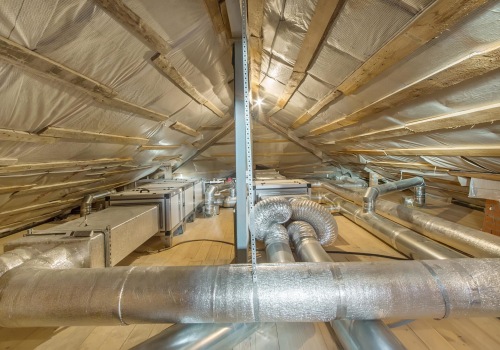
Disconnected boot connections in attics
Unsealed plenums and return chases
Return ducts pulling air directly from unconditioned crawlspaces
Flexible ductwork with tears, kinks, or failed connections
Our field experience: Homes with severely compromised ductwork often exceed the 20% efficiency gain. That filter gap everyone worries about becomes far less significant once major leak points are addressed.
Source: U.S. Environmental Protection Agency / ENERGY STAR https://www.energystar.gov/saveathome/heating-cooling/duct-sealing
Clogged Filters Create Compounding Problems
The data: The U.S. Department of Energy estimates clogged filters cause HVAC systems to consume 15 percent more energy. With heating and cooling accounting for nearly half of home energy costs, that translates to $150–$300 annually from a filter that didn't get changed.
What the statistic doesn't capture:
Restricted airflow increases pressure differentials throughout the system
Higher pressure drives more air through every gap and leak
A clogged filter can turn minor duct leaks into major air bypass pathways
Our recommendation: Address filter maintenance and duct sealing together. One without the other leaves performance on the table.
Source: U.S. Department of Energy via ENERGY STAR https://www.energystar.gov/saveathome/heating-cooling
What This Means for Your Honeywell Filter
That quarter-inch perimeter gap exists for practical reasons—easy installation and universal fit. In a well-sealed system, it's a minor detail.
The reality in most homes:
Nominal filter gaps allow some air bypass
Typical 20–30% duct leakage creates additional bypass pathways
Dirty filters increase system pressure, driving more air through leaks
Multiple bypass points compound filtration losses
The pattern we see consistently: Homeowners who invest in premium filters but ignore duct sealing often see disappointing results. Those who address the complete system see measurable improvements in both air quality and energy efficiency.
Your undersized Honeywell filter isn't defective. Whether it performs as intended depends on the rest of your system.
Why these statistics matter:
Final Thought: The Filter Gap Isn't Your Real Problem
After decades of inspecting HVAC systems and sealing ductwork, we've developed a perspective most articles won't give you: the nominal sizing gap around your Honeywell filter is almost never the issue homeowners should be worrying about.
Yes, your 20x25x1 filter actually measures closer to 19½ x 24½ x ¾. Yes, that creates a small perimeter gap. But that quarter-inch gap is rarely the weak link.
What We Actually Find Behind the Filter
When homeowners call concerned about air quality or comfort issues, the filter housing is one of our first inspection points. We've pulled countless filters that looked fine from the front—correct size, properly seated, reasonable condition.
Then we look upstream and downstream.
Common problems that dwarf the nominal sizing gap:
Return plenums never sealed during original construction
Flexible duct connections held together with failing tape
Boot-to-drywall gaps large enough to fit a hand through
Supply runs in unconditioned attics losing efficiency year-round
Disconnected or crushed ductwork hidden in crawlspaces
In homes like these—the majority of what we see—obsessing over a quarter-inch filter gap misses the point entirely.
Our Professional Opinion
The HVAC industry has done homeowners a disservice by focusing on filter upgrades without addressing system integrity.
What we've observed:
Customers cycling through increasingly expensive filters for years
Chasing MERV ratings while duct systems leak 30% or more
Premium filters underperforming because air bypasses them entirely
A MERV-13 filter in a leaky system is still a MERV-13 filter—it just isn't filtering all the air in your home.
Filtration is the last step in a chain that starts with duct integrity. When that chain is broken upstream, no filter upgrade downstream will compensate.
The Hierarchy That Actually Works
Based on field experience, here's the priority sequence we recommend:
Seal the ductwork first. Address the 20–30% air loss typical in most homes. This single improvement often delivers more noticeable results than any filter upgrade.
Verify filter housing integrity. Check for gaps, damaged frames, or bypass pathways that dwarf the nominal sizing gap.
Maintain filter replacement schedules. A clean filter in a sealed system outperforms a premium filter in a compromised system every time.
Then consider filter upgrades. Once sealed and maintained, higher-efficiency filters can deliver their full potential.
This sequence isn't how most homeowners approach the problem. But it's what the physics of airflow and the reality of residential construction demand.
The Bottom Line
Your Honeywell filter isn't defective. Nominal sizing is a universal industry standard. The slight undersize is engineered intentionally.
Whether that filter performs as intended depends on your system:
Sealed ducts vs. leaky ducts
Proper connections vs. gaps and disconnections
Maintained filters vs. clogged, forgotten filters
Complete system approach vs. filter-only focus
The homes with the best air quality and efficiency aren't the ones with the most expensive filters. They're the ones where someone addressed the complete picture.
If your filter fits the nominal size and slides in without force, you've got the right filter.
If you're still experiencing air quality issues, dust accumulation, or comfort problems, the solution probably isn't a different filter.
It's time to look at what's happening behind the walls.
FAQ on Honeywell Filters
Q: Why is my Honeywell filter smaller than the size on the package?
A: The printed size is "nominal"—a rounded industry standard, not the exact measurement.
A 20x25x1 filter actually measures approximately 19½ x 24½ x ¾ inches
This undersize is intentional for easy installation
All major filter brands follow the same convention
Your filter isn't defective—it's built exactly as designed
We explain this to homeowners weekly during service calls.
Q: Should I buy based on nominal size or actual measurements?
A: Always match the nominal size on your current filter or housing.
Common mistake we see:
Homeowner measures filter slot
Buys filter matching those exact dimensions
Ends up with a filter far too small
Creates gaps much larger than standard clearance
Best practice: Bring your old filter to the store or photograph the size printed on the frame.
Q: How often should I replace my Honeywell filter?
A: Check monthly during heavy-use seasons. Replace when visibly dirty or every 90 days maximum for 1-inch filters.
Why this matters:
Clogged filters increase system pressure
Higher pressure drives more air through duct leaks and gaps
Energy consumption can increase up to 15%
Consider monthly replacement if you have:
Pets in the home
Family members with allergies
Nearby construction or renovation
Older ductwork with known leakage
We check filter condition on every service call for these reasons.
Q: Does the gap around my filter affect air quality?
A: Rarely on its own.
What we observe in the field:
Homeowners fixate on nominal sizing gaps
Meanwhile, duct leaks lose 20–30% of conditioned air
Major return plenum gaps often dwarf any filter clearance issue
If you're experiencing dust or air quality problems despite regular filter changes:
Filter gap is unlikely the cause
Duct leakage is the more likely culprit
System inspection reveals the actual bypass points
Q: Are Honeywell filters compatible with other HVAC brands?
A: Yes. Standard nominal sizing fits most residential systems regardless of furnace brand.
Universal compatibility:
A 20x25x1 Honeywell works in any system designed for that size
Brand of furnace or air handler doesn't matter
Nominal sizing standardizes fit across manufacturers
One exception: Whole-house media filters for specific cabinets require matching model numbers, not just nominal dimensions. We verify this during system inspections.
Learn more about HVAC Care from one of our HVAC solutions branches…
Filterbuy HVAC Solutions - Miami FL - Air Conditioning Service
1300 S Miami Ave Apt 4806 Miami FL 33130
(305) 306-5027
https://maps.app.goo.gl/Ci1vrL596LhvXKU79